


Root Canal Therapy
in New York City




Root canal therapy is needed when the nerve of a tooth is affected by decay or infection. In order to save the tooth, the pulp (the living tissue inside the tooth), nerves, bacteria, and any decay are removed and the resulting space is filled with special, medicated dental materials, which restore the tooth to its full function.
At New York Smile Institute, our experienced doctors focus on preserving natural teeth whenever possible. Modern root canal therapy allows us to remove infection, relieve discomfort, and restore full tooth function while maintaining the structure of your natural smile. Using advanced diagnostic tools and precise techniques, our team provides comfortable and effective treatment for patients experiencing tooth infection or deep decay.

Smile with Confidence
As dental professionals it is our priority to provide quality dental care you can trust.
Benefits of Root Canal Therapy
Root canal treatment is designed to eliminate infection while preserving the natural tooth structure. By removing bacteria and sealing the inner portion of the tooth, the procedure restores strength and function while preventing the infection from spreading to surrounding tissues.
Patients often experience several benefits after treatment, including relief from persistent tooth pain, improved chewing ability, and protection of neighboring teeth from shifting. Because the natural tooth remains in place, root canal therapy also helps maintain normal bite alignment and jaw health.
Reasons for Root Canal Therapy
- Decay has reached the tooth pulp (the living tissue inside the tooth)
- Infection or abscess have developed inside the tooth or at the root tip
- Injury or trauma to the tooth
Signs and Symptoms You May Need Root Canal Therapy
- An abscess (or pimple) on the gums
- Sensitivity to hot and cold
- Severe toothache pain
- Swelling and/or tenderness
Sometimes, no symptoms are present.
Root Canal Procedure Details
A root canal procedure requires one or more appointments and can be performed by a dentist or endodontist (a root canal specialist).
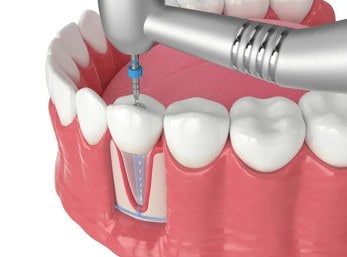
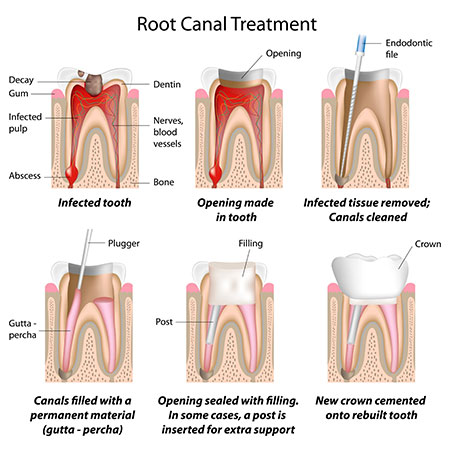
While the tooth is numb, a rubber dam (a sheet of rubber) will be placed around the tooth to keep it dry and free of saliva. An access opening is made on top of the tooth and a series of root canal files are placed into the opening, one at a time, removing the pulp, nerve tissue, and bacteria. If tooth decay is present, it will also be removed with special dental instruments.
Once the tooth is thoroughly cleaned, it will be sealed with either a permanent filling or, if additional appointments are needed, a temporary filling will be placed.
At the next appointment, usually a week later, the roots and the inside cavity of the tooth will be filled and sealed with special dental materials. A filling will be placed to cover the opening on top of the tooth. In addition, all teeth that have root canal treatment should have a crown (cap) placed. This will protect the tooth and prevent it from breaking, and restore it to its full function.
After treatment, your tooth may still be sensitive, but this will subside as the inflammation diminishes and the tooth has healed.
You will be given care instructions after each appointment. Good oral hygiene practices and regular dental visits will aid in the life of your root canal treatment.
What Is the Recovery Time for Root Canal Therapy?
Despite the invasive nature of the root canal procedure, it often takes less than a week to recover. You can expect some swelling and sensitivity when chewing, but you should feel normal within a couple of days of your root canal.
Our NYC office will provide care instructions that include how to manage discomfort. You may need to eat a soft-food diet for several days, such as yogurt, mashed potatoes, smoothies, and pasta. Try not to chew on the side of your mouth with the treated tooth.
Do not smoke after a root canal. Smoking makes it harder for your tooth and root system to heal and may cause additional discomfort and healing complications. Use an antibacterial mouthwash to keep bacteria away from the site and brush your teeth after every meal.
Your oral tissues may heal faster if you avoid hot liquids until the anesthetic wears off, because you won’t be able to sense if the temperature is too high. Take medications as recommended and avoid inflammation-causing foods, such as heavy spices and alcohol.
How Long Does a Root Canal Last?
Root canals have a high success rate, and most teeth treated with root canal therapy function normally for many years and may even last a lifetime.
The success and longevity of your root canal depend on several factors. If any bacteria remain in the canal, you may experience a new infection. Sometimes saliva may enter the tooth during treatment, allowing bacteria to regrow, and an improperly placed crown may also affect the results. Facial trauma or tooth injury can damage the crown and allow bacteria to re-enter the tooth.
Make sure you have your temporary crown replaced with a permanent restoration to avoid further risking the tooth and root. The tooth is still vulnerable if the permanent crown is not placed or positioned correctly.
Good oral hygiene and regular visits to the dentist can help your root canal treatment last long-term and may help prevent issues with your other teeth. If a root canal fails and a new infection develops, you will need retreatment, which involves removing the crown and filling material, cleaning the canal again, and fitting a new crown.
Why Choose New York Smile Institute for Root Canal Therapy?
Patients trust New York Smile Institute for comprehensive dental care that prioritizes both comfort and long-term oral health. Our doctors combine advanced diagnostic technology with proven treatment techniques to ensure infections are treated thoroughly and effectively.
We focus on preserving natural teeth whenever possible, providing personalized treatment plans that restore function while maintaining the integrity of your smile. Our NYC practice offers a professional, patient-focused environment where care is tailored to each individual’s needs.
Learn More About Root Canal Therapy at New York Smile Institute
If you’re experiencing tooth pain or other symptoms of infection, schedule a dental exam with our outstanding dentists at New York Smile Institute. Our team has helped many patients in NYC improve their oral health with root canal therapy.
Schedule a consultation at our New York, New York office by calling (212) 319-6363.
Root Canal Therapy FAQs
Does a root canal hurt?
Modern root canal therapy is designed to relieve pain rather than cause it. The procedure is performed with local anesthesia to keep the tooth completely numb, so most patients feel little to no discomfort during treatment. Afterward, mild sensitivity may occur for a few days as the surrounding tissue heals.
How long does a root canal procedure take?
The length of the procedure depends on the tooth being treated and the complexity of the infection. In many cases, a root canal can be completed in one appointment lasting about 60 to 90 minutes. More complex cases may require two visits to ensure the tooth is fully cleaned and properly sealed.
Can I return to normal activities after a root canal?
You can resume normal daily activities shortly after the procedure. Because the treated tooth may be temporarily sensitive, you may wish to avoid chewing on that side of the mouth until the final restoration, such as a crown, is placed.
Why is a crown often recommended after a root canal?
A tooth that has undergone root canal therapy may become more fragile over time because the internal nerve tissue has been removed. A crown helps strengthen and protect the tooth from fractures while restoring normal chewing function.
What happens if I delay a root canal treatment?
Delaying treatment can allow infection to spread deeper into the tooth and surrounding bone. This may lead to increased pain, swelling, or even tooth loss. Addressing the problem early allows dentists to remove the infection and preserve the natural tooth structure whenever possible.

Photo
Gallery
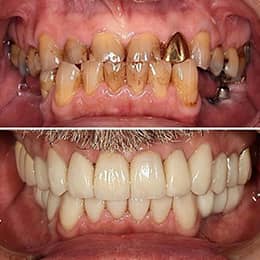
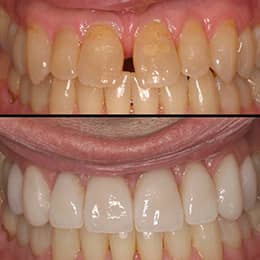
The Aesthetic and Reconstructive Team at New York Smile Institute is here to help. Check out some of our work by visiting our Smile Gallery below.


The Dr. Dean Experience
Dentist of the Dentists
Dr. Dean Vafiadis is the Founder of New York Smile Institute and a respected Prosthodontic specialist in New York and around the world. He also serves as an Associate Professor of Prosthodontics at NYU College of Dentistry and routinely lectures around the world on dentistry. His mission is to serve his patients’ dental needs while also helping to advance dental care treatments and therapeutics on an industry level.





Contact Us

693 Fifth Avenue
@54th Street – 14 Floor
New York, NY 10022